If your team uses Claude to draft test cases, summarize bug reports, or generate accessibility audit outputs, Anthropic just changed something your engineering process needs to account for. As of August 2, 2026, Claude embeds invisible watermarks in all text it generates. That watermark is detectable, persistent, and relevant to any pipeline where AI-assisted QA artifacts flow into client deliverables, regulated products, or auditable documentation.
TL;DR
- Anthropic began embedding invisible watermarks in all Claude-generated text on August 2, 2026, covering all supported models launched on or after that date.
- The EU AI Act’s Article 50 requires that AI-generated outputs be detectable as artificially generated, with enforcement beginning in August 2026.
- QA artifacts including test cases, bug report summaries, and accessibility audit outputs are affected if Claude was used to produce them.
- Teams without a disclosure and governance policy for AI-generated artifacts now have a traceability gap in their SDLC.
- A governed QA process treats AI assistance as a documented input, not an invisible shortcut.
What Anthropic Actually Changed on August 2, 2026
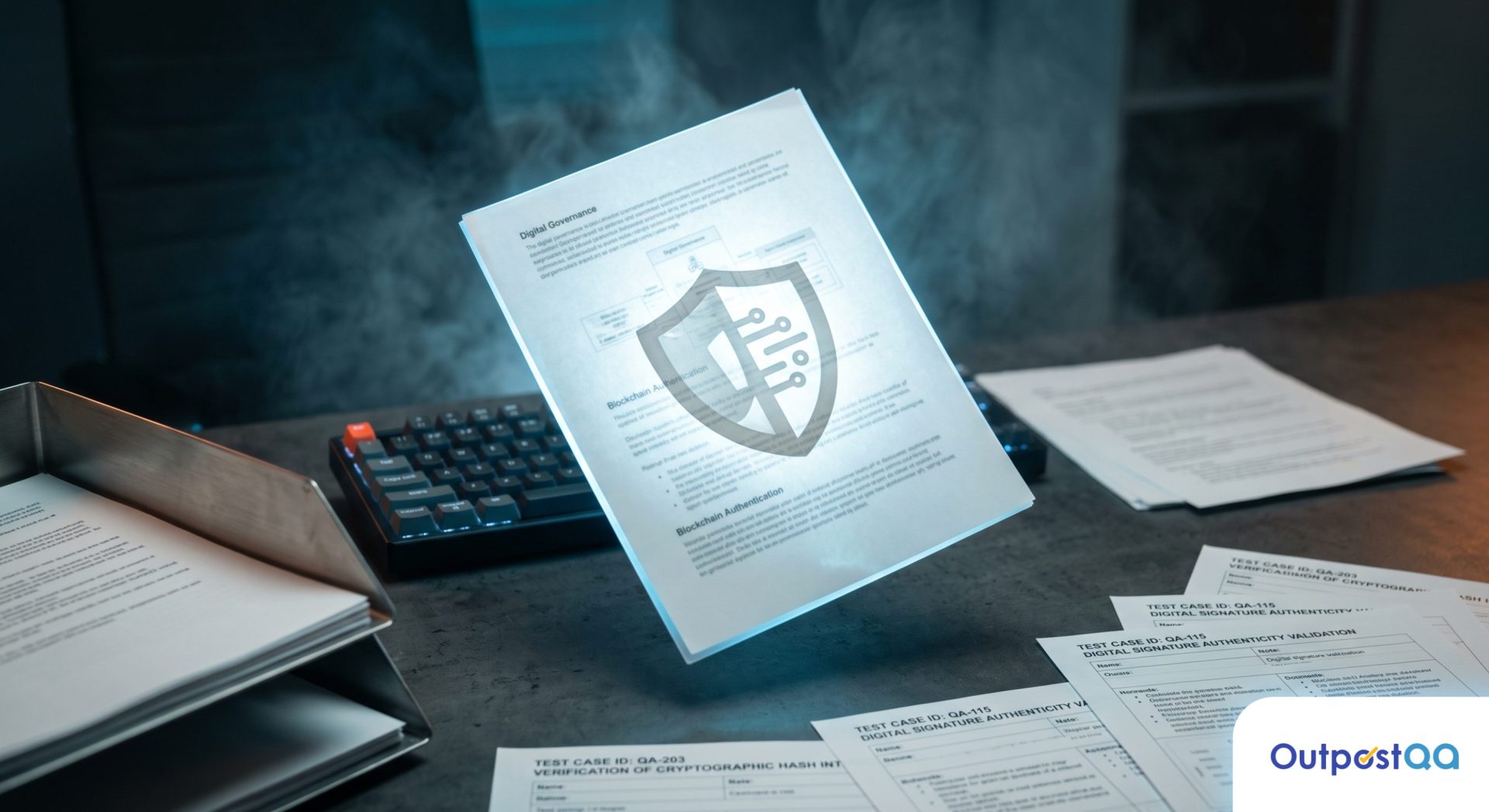
Anthropic began embedding imperceptible watermarks in all text generated by Claude models launched on or after August 2, 2026. The watermark is not a visible tag or a metadata field a user can strip with a right-click. It is woven into the text itself, through patterns in word choice and structure that persist even when the content is lightly edited.
The timing is not coincidental. The EU AI Act’s Article 50, which requires certain AI-generated outputs to be marked in a machine-readable, detectable format, entered enforcement in August 2026. Anthropic’s rollout aligns Claude with that requirement. Whether your product ships into European markets or not, this sets the pattern other providers are likely to follow, and detection tooling for this kind of marking is expected to become widely available as the regulation matures.
What Gets Watermarked, and What It Actually Means
Every text output from a supported Claude model carries this signal. That includes anything your team generates through the API, Claude.ai, or any third-party tool built on Claude’s models.
The practical implication is not that your team is doing something wrong by using Claude. The implication is that AI involvement in your QA artifacts is now detectable, once detection tooling becomes available, by clients, auditors, and regulators who want to look. Teams with no policy for disclosing or governing that involvement are exposed, not because the watermark causes a bug, but because the absence of a governance framework around it does.
Three Places Watermarked AI Output Is Already Inside Your SDLC
AI-Drafted Test Cases and Regression Scripts
Many QA engineers use Claude to generate test case outlines from acceptance criteria or to scaffold regression scripts from existing coverage matrices. That output, if it flows directly into your test management system without review attribution, now carries a detectable AI signature. In a regulated pipeline, that creates a chain-of-custody question: who reviewed this, who approved it, and is AI involvement disclosed in the artifact record?
Bug Report Summaries and Release Notes
Summarizing a sprint’s bug findings or drafting release notes with Claude is common and efficient. If those summaries land in client-facing documentation or in a ticketing system that feeds a compliance audit, the watermark is present. Once detection becomes standard practice, a client with an AI review policy will be able to identify the source. If your contract or SOW does not address AI-assisted deliverables, that is a gap.
Accessibility and Performance Audit Outputs
Accessibility testing reports and performance audit summaries carry real weight in enterprise sales cycles and government contracts. If Claude contributed to the narrative sections of those outputs, the watermark travels with the document. For teams pursuing WCAG compliance attestations or preparing audit packages, that provenance matters.
What a Governed QA Process Looks Like When AI Is in the Loop
The answer is not to stop using Claude. Treat AI assistance as a documented input rather than an invisible shortcut. A governed process does three things:
- Discloses AI involvement at the artifact level, noting which sections were AI-assisted and which received human review.
- Establishes a human review gate before any AI-generated content enters a client deliverable, a compliance record, or a regulated pipeline stage.
- Maintains an audit trail that maps AI-assisted artifacts to the engineer who reviewed and approved them, creating the chain of custody that regulators and enterprise clients increasingly require.
Outpost QA’s QA process audits include a review of how AI tooling is used inside client pipelines, which is now a standard governance question given where the industry is moving.
If your team is using Claude inside your QA workflow and you do not have a written policy for how AI-generated artifacts are disclosed and reviewed, talk to a QA Architect at Outpost QA about what a governed AI-assisted QA process looks like for your specific pipeline.
Frequently Asked Questions
Does Claude watermarking affect test automation scripts written with AI assistance?
The watermark is embedded in text outputs, not in executable code syntax. However, any natural language artifact generated by Claude, including test case descriptions, acceptance criteria, and documentation, carries the watermark. If those artifacts are part of your audit trail, governance controls apply.
Is the Claude watermark removable?
Anthropic has not published a way to detect or remove the watermark; that tooling is still forthcoming. Even once it exists, using it to strip watermarks from content intended for regulated or client-facing use would create a different kind of liability. The more defensible position is to disclose AI involvement upfront rather than try to remove evidence of it after the fact.
Does this only matter for teams shipping into EU markets?
The EU AI Act is the regulatory driver, but enterprise clients and regulated industries in the US are increasingly asking about AI involvement in vendor deliverables. The disclosure question is not a European-only concern.
What is the difference between AI-assisted QA and AI-generated QA artifacts?
AI-assisted QA means an engineer uses Claude to accelerate a task and then reviews, edits, and approves the output. AI-generated artifacts are outputs that flow into a pipeline without documented human review. The watermark makes that distinction visible to anyone who checks, once detection tooling is available.
How quickly does an engineering team need to act on this?
If your team uses Claude in any part of the QA process and you do not have a written AI governance policy, the gap exists now. EU enforcement is already active and enterprise contract scrutiny on this point is increasing.